
When considering How does Scalp Micropigmentation create the appearance of hair?, it is important to understand that the treatment works through a cosmetic illusion rather than actual hair growth. Scalp micropigmentation uses specialized equipment to place tiny pigment deposits into the scalp, creating points that resemble natural hair follicles. For more information, you can explore تقنية التصبغ المجهري لفروة الرأس في دبي. By carefully controlling pigment color, placement, spacing, and density, the treatment can make thinning areas appear more uniform and create the visual effect of closely shaved hair.
How Does Scalp Micropigmentation Mimic Hair Follicles?
The basic principle behind scalp micropigmentation is the creation of tiny follicle-like points.
When a person's head is closely shaved, individual hair follicles can appear as small dots or shadows across the scalp. SMP attempts to replicate this visual pattern by placing carefully controlled pigment deposits into the scalp.
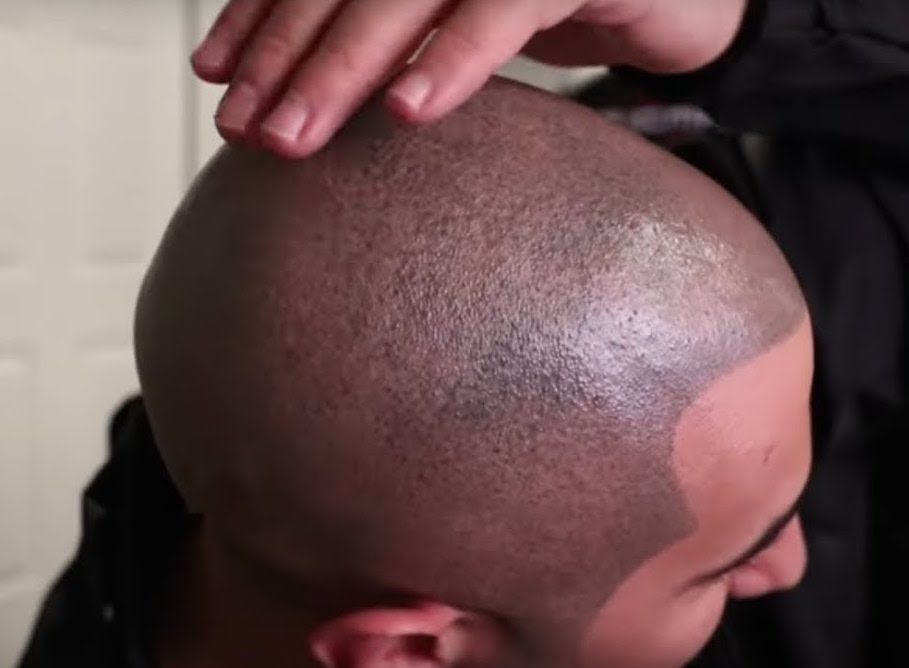
The practitioner creates numerous small points rather than applying pigment as one continuous layer.
The size, depth, spacing, and shade of each deposit can be adjusted to create a more natural-looking pattern.
The final appearance depends on how these individual points work together with the person's existing hair and scalp.
How Is The Pigment Selected?
Pigment selection is an important part of creating a realistic appearance.
The pigment should complement the person's natural hair color and skin tone. The practitioner may consider whether the existing hair is black, brown, gray, or another shade when developing the treatment plan.
Using an inappropriate shade can make the treatment appear less natural.
Pigment selection may also take into account how the pigment is expected to appear after healing. The goal is generally to create a subtle follicle-like effect rather than an overly dark or artificial appearance.
How Does Dot Placement Create The Illusion Of Hair?
Individual pigment dots are positioned strategically across the scalp.
The practitioner can vary the location and spacing of the dots to imitate the irregular appearance of natural follicles.
If every dot were placed in exactly the same position, size, and spacing, the result could look artificial. Instead, controlled variation can help reproduce the natural pattern of hair follicles.
The practitioner may also gradually increase pigment density in areas where more scalp is visible.
This approach allows the treatment to create a gradual transition between areas with existing hair and areas affected by thinning.
How Can SMP Make Thinning Hair Look Denser?
Hair thinning often becomes more noticeable because of the contrast between the scalp and remaining hair.
When there is less hair coverage, light can reflect from the exposed scalp, making sparse areas appear more obvious.
SMP can reduce this visual contrast by placing follicle-like pigment between existing hairs.
The pigment does not physically increase the number of hairs. Instead, it creates additional visual points that can make the scalp appear less exposed.
When viewed together with the person's existing hair, these pigment points can produce the impression of greater density.
How Does SMP Create A Shaved-Hair Appearance?
SMP can also be designed to imitate the appearance of a closely shaved head.
When hair is shaved very short, the visible portion of each follicle appears as a small dark point against the scalp.
The practitioner can replicate this appearance by placing carefully selected pigment dots across areas with reduced hair density.
The treatment can therefore create the visual effect of a consistent closely shaved hairstyle, even when natural hair density has been reduced.
The exact appearance depends on the individual's existing hair, scalp color, pigment selection, and treatment technique.
How Does SMP Define A Receding Hairline?
A customized hairline can help frame the face and reduce the visual appearance of recession.
Before treatment, the practitioner generally discusses the desired hairline and considers facial proportions, existing hair growth, age, and the extent of hair loss.
Pigment can then be placed along the selected pattern to create the appearance of follicle points.
A gradual transition is generally important. An excessively sharp or uniform hairline may appear less natural than one designed to resemble the irregularity of natural hair growth.
Can SMP Make Hair Look Thicker Around Existing Hair?
Yes. SMP can be performed around existing hair to reduce the visibility of the scalp.
When pigment dots are placed between existing follicles, the additional visual points can make the area appear more filled in.
This approach may be useful for people who still have considerable hair but experience diffuse thinning.
The practitioner can adjust the density according to the existing hair pattern so that the pigment complements rather than overwhelms the natural hair.
Can SMP Camouflage Scalp Scars?
SMP may also create the appearance of greater coverage over certain healed scalp scars.
Scars can sometimes have less hair growth than surrounding areas, making them more visible.
Carefully placed pigment can reduce the contrast between the scarred area and surrounding scalp.
However, scar tissue can have different texture and pigment-retention characteristics from normal skin. A professional assessment is therefore important before treating a scar.
Does Scalp Micropigmentation Grow Hair?
No. SMP does not create new hair follicles and does not stimulate actual hair growth.
Its effect is entirely cosmetic.
A hair transplant, by comparison, involves moving actual hair follicles from a donor area to a recipient area. SMP simply creates the appearance of follicles through pigment.
This distinction is important when setting expectations. People considering SMP should understand that the procedure changes the visual appearance of hair density rather than treating the biological cause of hair loss.
What Makes SMP Look Natural?
Several factors contribute to the appearance of natural-looking SMP.
Appropriate Pigment Selection:
The pigment should complement the person's hair and skin tone.
Correct Dot Size:
The individual deposits need to be appropriately sized to resemble natural follicle points.
Strategic Spacing:
The distance between dots can be varied to reproduce a natural follicle pattern.
Gradual Density:
Density can be increased progressively instead of creating an overly uniform appearance.
Customized Hairline:
The hairline should be designed according to individual facial characteristics and existing hair patterns.
Professional Technique:
Consistent pigment placement and careful treatment planning can influence the final appearance.
How Many Sessions May Be Needed?
SMP is commonly performed over multiple sessions rather than completing the entire treatment in one appointment.
The number of sessions can depend on the treatment area, amount of hair loss, desired density, pigment response, and individual healing.
An initial appointment may establish the basic pattern, while later sessions can refine the density, hairline, and overall appearance.
Spacing appointments appropriately also gives the scalp time to recover and allows the practitioner to evaluate how the pigment has settled.
How Long Does The Appearance Last?
SMP can provide a long-lasting cosmetic effect, but the pigment may gradually soften or fade.
Sun exposure, skin characteristics, lifestyle, and natural changes in the skin can influence how the pigment looks over time.
Some individuals may eventually choose maintenance sessions to refresh the appearance.
The expected longevity varies between people, so maintenance should be discussed during consultation.
Frequently Asked Questions:
How does Scalp Micropigmentation create the appearance of hair?
SMP places tiny pigment deposits into the scalp that resemble individual hair follicles, creating an optical impression of greater hair density.
Does SMP make actual hair grow?
No. SMP does not grow hair or create new follicles. It only changes the visual appearance of the scalp.
Can SMP make thinning hair look fuller?
Yes. Pigment placed between existing hairs can reduce scalp visibility and create the appearance of increased density.
Does SMP look like shaved hair?
It can. The pigment points are designed to resemble the appearance of closely shaved follicles.
Can SMP create a hairline?
Yes. A customized pattern can create the visual appearance of a more defined hairline.
Does SMP work on scalp scars?
It may help camouflage certain fully healed scars, although suitability depends on the characteristics of the scar and surrounding skin.
Conclusion:
Understanding How does Scalp Micropigmentation create the appearance of hair? involves recognizing that SMP uses carefully positioned pigment to reproduce the visual characteristics of natural hair follicles. By controlling pigment shade, dot size, spacing, density, and hairline design, the procedure can make thinning areas appear denser and create the appearance of closely shaved hair. It can also help reduce the visibility of certain healed scalp scars. SMP does not grow hair or replace hair follicles, but it can provide a long-lasting cosmetic change in scalp appearance. A professional consultation can help determine the appropriate pigment, density, hairline design, and treatment plan for individual needs.