
For many individuals who have undergone major medical procedures, restoring appearance and confidence becomes an important step in the healing journey. A common question people ask is whether cosmetic procedures are safe after serious treatments. One such concern is: can Ear lobe correction in Dubai (تصحيح شحمة الأذن في دبي) be performed after cancer surgery? The answer depends on several factors, including recovery status, overall health, and the type of prior treatment. This article explores everything you need to know about undergoing Ear lobe correction (تصحيح شحمة الأذن) after cancer-related procedures, with a focus on safety, preparation, and outcomes.
What Is Treatment And How It Works:
Earlobe correction is a minor surgical or non-surgical procedure designed to repair damaged, stretched, or torn earlobes. This condition may result from heavy earrings, trauma, or previous piercings.
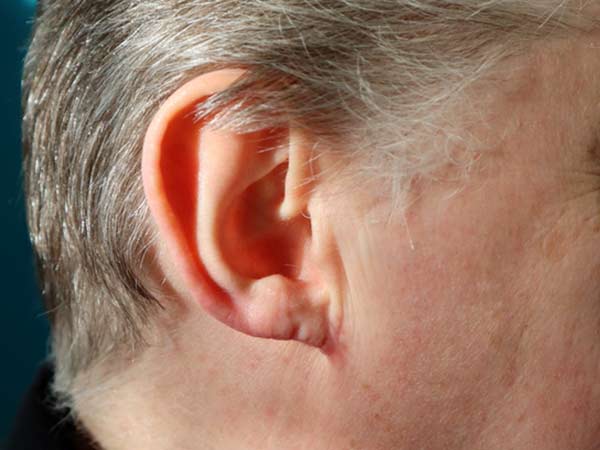
How The Procedure Works:
- The area is carefully reshaped to restore a natural contour
- Excess or damaged tissue is removed
- The skin is sutured to promote smooth healing
- In some cases, non-invasive techniques may be used for minor corrections
For individuals who have undergone cancer surgery, especially involving the head or neck, the approach may be more personalized. Healing capacity, skin condition, and scar tissue are all considered before proceeding.
Importance Of Treatment:
Restoring the appearance of the earlobes may seem minor, but it can have a significant emotional and psychological impact, particularly after a challenging health journey.
Why It Matters:
- Enhances self-confidence after recovery
- Completes the aesthetic restoration process
- Helps individuals feel more like themselves again
- Supports emotional healing and body positivity
For cancer survivors, even small improvements in appearance can contribute to a renewed sense of normalcy and well-being.
Types Of Treatment:
There are several techniques available depending on the severity of the damage and the patient’s medical history.
Common Types:
- Surgical repair: Ideal for split or severely stretched earlobes
- Laser-assisted correction: Used for minor reshaping and skin refinement
- Dermal fillers: Temporary solution for volume loss in earlobes
- Scar revision techniques: Helpful if previous surgeries left visible marks
Patients who have had cancer treatments such as radiation may require specialized techniques due to skin sensitivity and reduced elasticity.
Preparation Aftercare:
Proper preparation and aftercare are essential, especially for individuals recovering from cancer surgery.
Preparation Steps:
- Ensure full recovery from cancer treatment
- Maintain a healthy immune system
- Follow medical clearance guidelines
- Avoid smoking and alcohol before the procedure
Aftercare Tips:
- Keep the area clean and dry
- Avoid wearing earrings until fully healed
- Follow wound care instructions carefully
- Monitor for signs of infection
Recovery may take slightly longer for those with a history of intensive medical treatments, so patience and care are crucial.
Ideal Candidate:
Not everyone is immediately eligible for Ear lobe correction (تصحيح شحمة الأذن) after cancer surgery. Timing and overall health play a critical role.
You May Be An Ideal Candidate If:
- You have fully recovered from cancer treatment
- Your immune system is stable
- There are no active infections or complications
- Your skin has healed adequately from previous procedures
Each case is unique, so candidacy depends on individual recovery progress rather than a fixed timeline.
How To Choose A Right Clinic:
Selecting the right place for treatment is a vital step in ensuring safety and satisfactory results.
Key Considerations:
- Experience in handling post-medical recovery cases
- Clean and well-equipped environment
- Clear communication and personalized care approach
- Proper evaluation and consultation process
A thoughtful choice helps reduce risks and ensures a smoother overall experience.
Risks:
While earlobe correction is generally safe, there are some risks, particularly for individuals with a medical history involving cancer.
Possible Risks:
- Delayed healing due to weakened immunity
- Infection if aftercare is not followed
- Scarring, especially in sensitive skin
- Mild discomfort or swelling
Understanding these risks allows individuals to take preventive measures and make informed decisions.
Benefits:
Despite potential risks, the benefits of earlobe correction can be meaningful and rewarding.
Key Benefits:
- Restores natural earlobe shape
- Improves overall facial symmetry
- Boosts confidence and self-image
- Quick and minimally invasive procedure
For many, it represents a positive step forward after overcoming health challenges.
FAQs:
Can I Have Earlobe Correction Immediately After Cancer Surgery?
It is recommended to wait until full recovery and obtain medical clearance before considering the procedure.
Does Cancer Treatment Affect Healing?
Yes, treatments like chemotherapy or radiation may slow healing, so timing and preparation are essential.
Is The Procedure Painful?
Most techniques involve minimal discomfort and are well-tolerated.
Will There Be Visible Scars?
Scarring is usually minimal and fades over time with proper care.
How Long Should I Wait After Cancer Treatment?
The waiting period varies depending on individual health, but stability and recovery are key factors.
Conclusion:
Undergoing earlobe correction after cancer surgery is possible, but it requires careful planning, proper timing, and a strong focus on overall health. By understanding the procedure, evaluating readiness, and following preparation and aftercare guidelines, individuals can safely restore their appearance. Whether for aesthetic reasons or emotional healing, this treatment can be a meaningful step toward regaining confidence and embracing life after recovery.